Early Pregnancy Timing Guide: Estimate Your Implantation Window
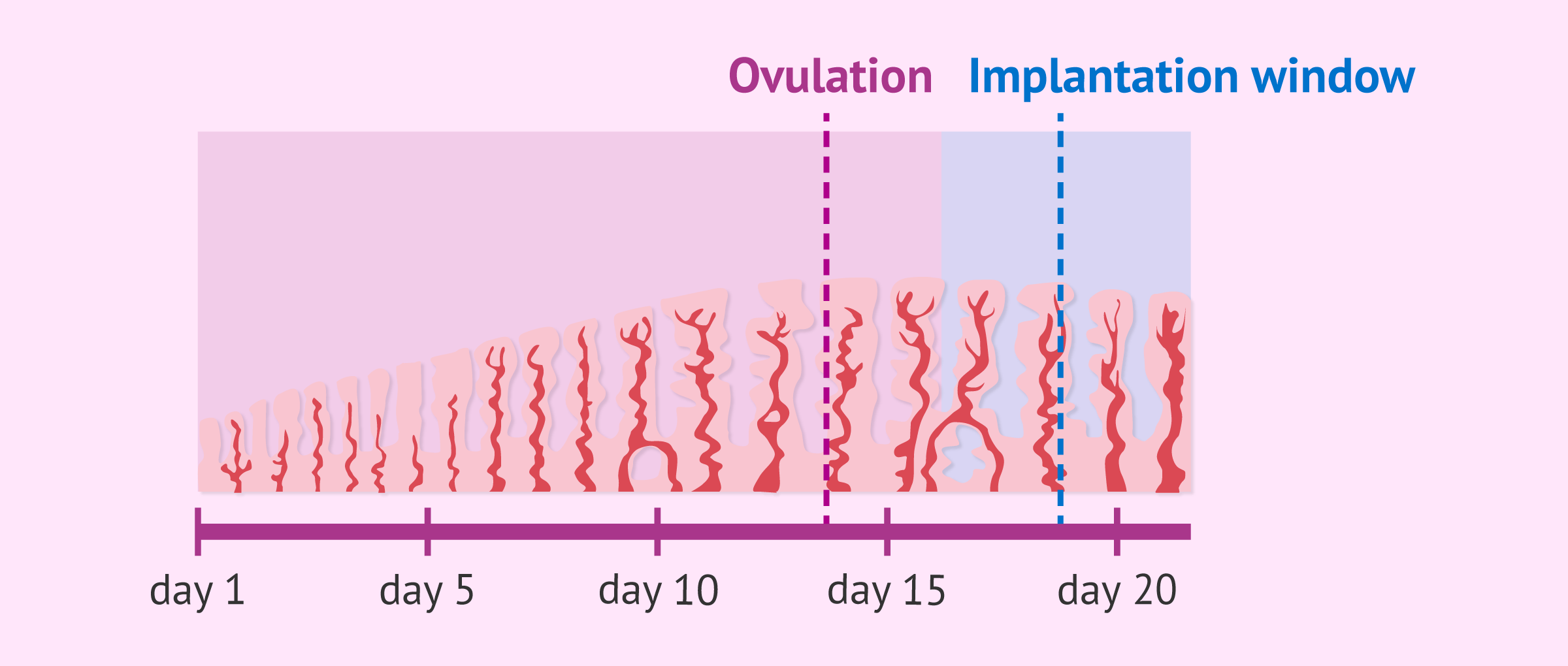
Understanding the earliest stages of pregnancy can feel confusing, especially when you're trying to conceive. One of the most important yet often overlooked phases is implantation—the moment when a fertilized egg attaches to the lining of the uterus. An Early Pregnancy Timing Tool or implantation calculator helps estimate when this critical event may occur, giving you better insight into your body and early pregnancy signs.
What Is Implantation?
Implantation typically occurs 6 to 10 days after ovulation. After fertilization, the embryo travels down the fallopian tube and attaches to the uterine lining, where it begins to grow. This process marks the true beginning of pregnancy.
How an Implantation Calculator Works
An implantation calculator estimates your implantation window using key cycle data, such as:
- Ovulation date
- Conception date
- Average cycle length
Based on this information, the tool predicts the most likely days implantation could happen. This helps you better understand when early pregnancy symptoms might begin and when to take a pregnancy test for accurate results.
Why Implantation Timing Matters
Knowing your implantation window can help you:
- Identify early pregnancy signs like light spotting or mild cramping
- Avoid testing too early and getting false-negative results
- Plan the best time to confirm pregnancy
- Understand your fertility cycle more clearly
Common Signs of Implantation
Some women may experience subtle symptoms during implantation, including:
- Light spotting (implantation bleeding)
- Mild abdominal cramps
- Fatigue or mood changes
- Slight increase in body temperature
However, not everyone experiences noticeable symptoms, which is completely normal.
When Should You Take a Pregnancy Test?
For the most accurate results, it’s recommended to take a pregnancy test a few days after implantation, typically around the time of a missed period. Testing too early may not detect the pregnancy hormone (hCG), leading to inaccurate results.
Final Thoughts
An Early Pregnancy Timing Tool is a helpful guide for anyone trying to conceive or track their reproductive health. While it provides useful estimates, remember that every cycle is unique. For the most reliable confirmation, always follow up with a medical test or consult a healthcare professional.
Related Articles

How hormones affect mood

Common questions new moms ask

When to book doctor visits

Staying hydrated for skin health

Managing unusual cravings

Comfortable clothing tips

Why hormonal breakouts happen

Choosing mild shampoos