Fertility Tracker: Monitor Ovulation with Accuracy
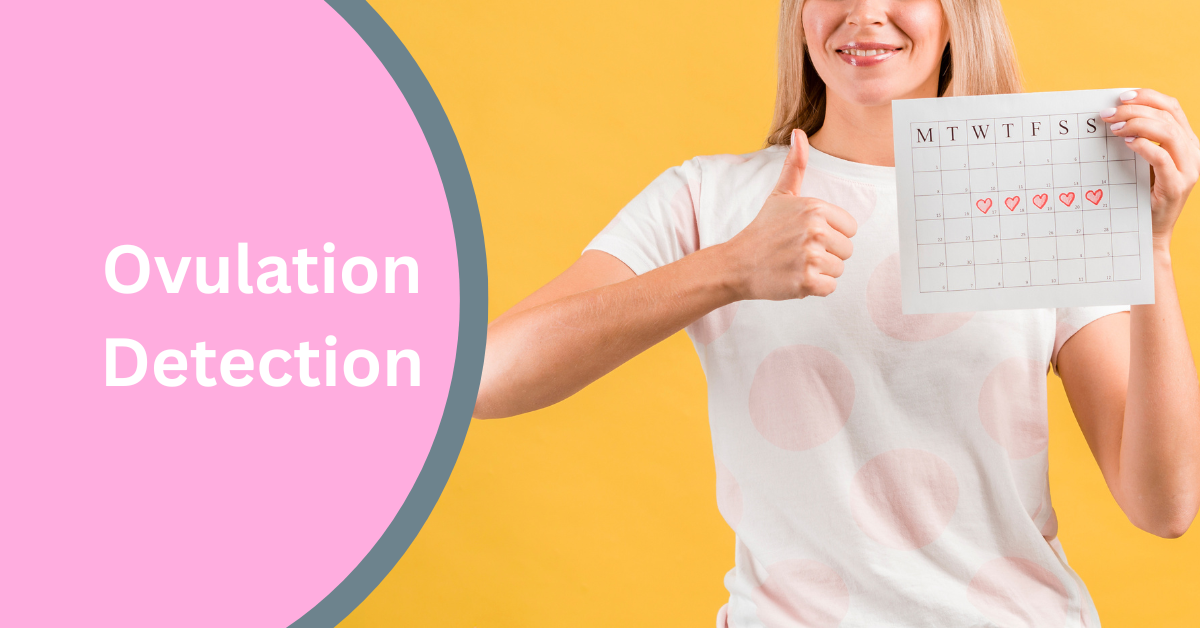
Fertility Tracker: Monitor Ovulation with Accuracy
Understanding your fertility cycle is key to managing your reproductive health. A fertility tracker helps you monitor ovulation with accuracy, giving you better control whether you're trying to conceive or simply tracking your cycle.
What Is a Fertility Tracker?
A fertility tracker is a tool designed to predict your ovulation and fertile window based on your menstrual cycle data. By entering details like your last period date and average cycle length, it provides personalized insights into your most fertile days.
How It Works
Ovulation typically occurs around 12–16 days before your next period. A fertility tracker analyzes your cycle patterns and estimates:
- Ovulation date
- Fertile window (days when chances of pregnancy are highest)
- Upcoming period dates
Advanced trackers may also consider symptoms like basal body temperature and cervical mucus for better accuracy.
Benefits of Using a Fertility Tracker
Using a fertility tracker can help you:
- Increase chances of conception by identifying peak fertile days
- Understand your cycle better and recognize patterns
- Plan or avoid pregnancy naturally
- Track hormonal changes and related symptoms
- Stay informed and prepared each month
Tips for More Accurate Tracking
To improve accuracy:
- Record your cycle consistently
- Track physical symptoms daily
- Maintain a healthy lifestyle
- Be aware of factors like stress or illness that may affect your cycle
Final Thoughts
A fertility tracker is a powerful and easy-to-use tool for monitoring ovulation with accuracy. While it provides helpful predictions, every cycle can vary. For best results, combine tracking with other methods and consult a healthcare professional when needed.
Related Articles

Staying close emotionally
Common questions new moms ask
How pregnancy affects intimacy

Bathing daily during your period

Practicing mindfulness or meditation
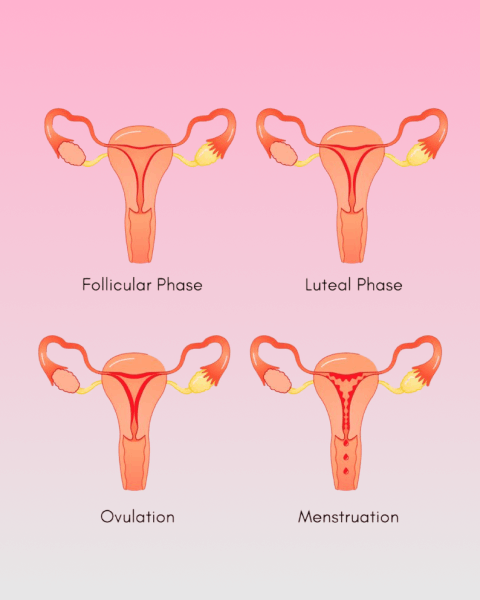
The four phases: menstrual, follicular, ovulation, luteal
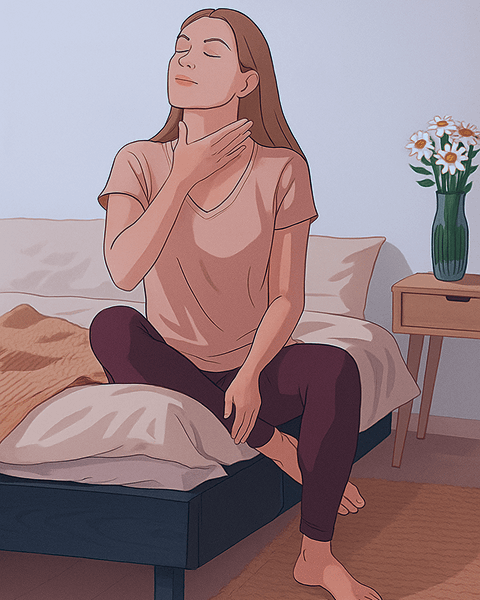
Breathing exercises for pain relief
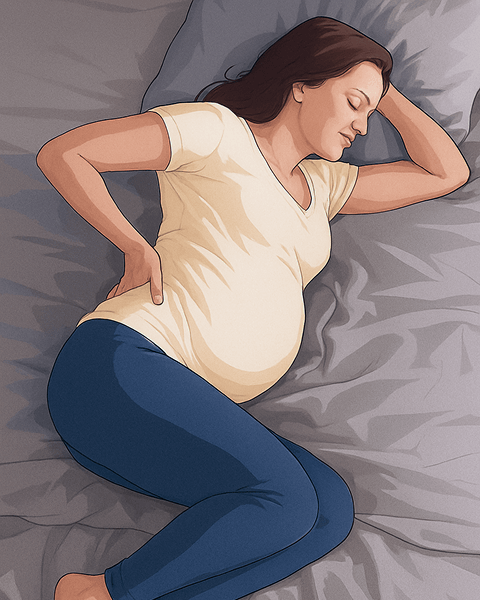
Resting when needed