How to Calculate Your Baby’s Due Date Accurately
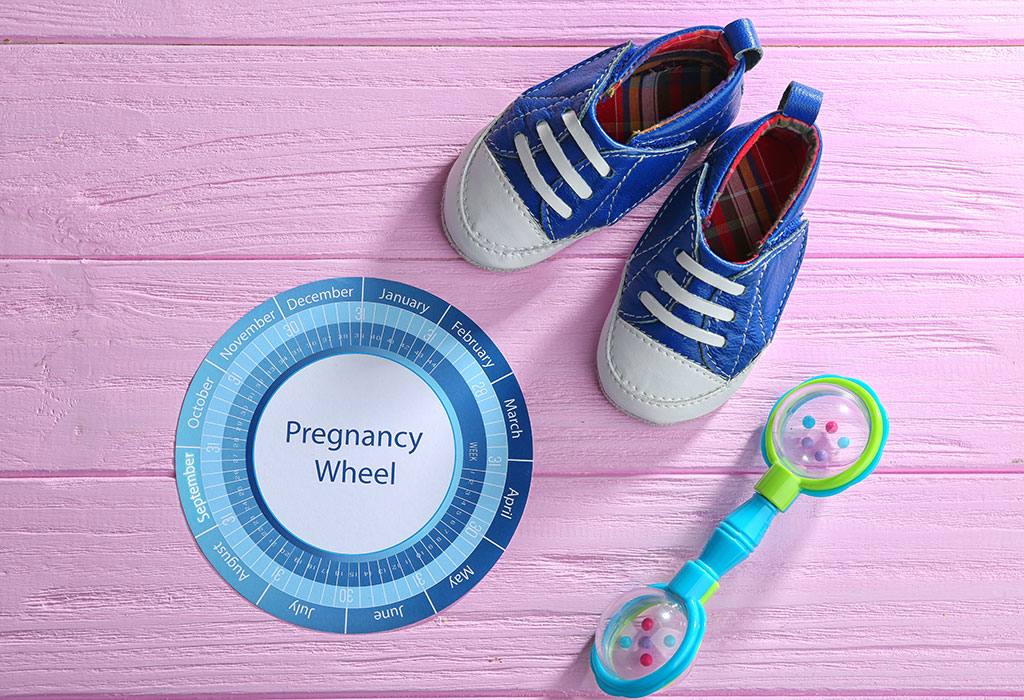
Understanding your baby’s due date is one of the most important parts of pregnancy planning. While no method can predict the exact day your baby will arrive, accurate estimation helps you track development, plan medical visits, and prepare for delivery with confidence.
📅 What Is a Due Date?
Your due date is the estimated day your baby is expected to be born. A full-term pregnancy typically lasts about 40 weeks (280 days) starting from the first day of your last menstrual period (LMP).
However, it’s important to note that this is only an estimate—not a guarantee.
🧮 Method 1: Calculate Using Last Menstrual Period (LMP)
This is the most commonly used method by doctors.
Steps:
- Identify the first day of your last menstrual period
- Add 280 days (40 weeks) to that date
👉 Example:
If your LMP was March 1, your due date would be around December 6.
Best for: Women with regular menstrual cycles (28–30 days)
🧬 Method 2: Based on Conception Date
If you know when conception occurred:
Steps:
- Add 266 days (38 weeks) to the conception date
This method can be more precise but requires accurate tracking of ovulation or fertility timing.
Related Articles

Baby development at 9 weeks

Avoiding stressful situations

Respecting boundaries

Taking short breaks more often

Enhancing Fertility and Conception: Your Complete Guide to Getting Pregnant

Keeping a mood journal

Bathing daily during your period

Choosing a pediatrician